What Makes Sandalwood Special and Its Cultural Significance

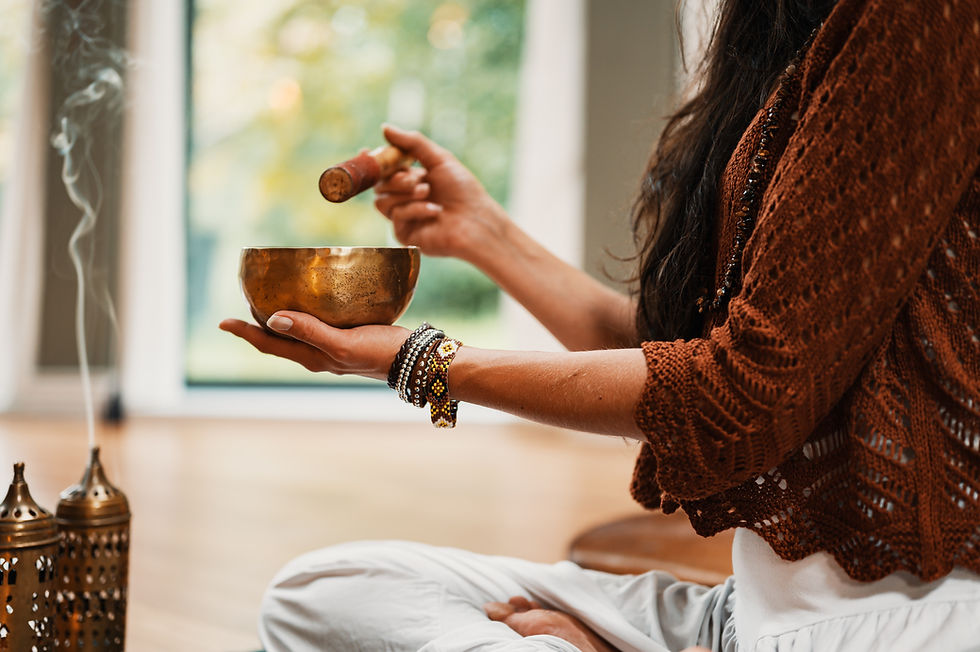
Sandalwood stands out as one of the most revered natural materials in the world, prized for its distinctive aroma, cultural importance, and versatile uses. Its unique qualities have made it a sacred ingredient across many civilizations for thousands of years.
What makes sandalwood special and its cultural significance. Let's explore its historical uses, aromatic properties, and role in various traditions and also highlight the range of high-quality sandalwood products available today, showcasing their appeal and enduring value.
Historical Uses of Sandalwood
Sandalwood has a rich history that spans continents and cultures. Ancient texts from India, China, and the Middle East mention sandalwood as a prized commodity. In India, sandalwood has been used since antiquity in religious ceremonies, carved into statues, ground into powder for sacred rituals, used in Ayurvedic remedies, and well as a poultice applied to the forehead, noted for its cooling properties. The wood’s slow-burning quality makes it ideal for incense, which is believed to purify spaces and invite spiritual presence.
In traditional Chinese medicine, sandalwood was valued for its calming effects and was used in remedies to ease digestive and respiratory issues. The ancient Egyptians also used sandalwood in embalming and cosmetics, appreciating its fragrance and preservative qualities.
The durability and fine grain of sandalwood made it a preferred material for intricate carvings, chanting malas, fragrant wooden necklaces and fine furniture in many cultures. Its use extended beyond practical applications to symbolize purity, devotion, and status.
Aromatic Properties That Set Sandalwood Apart
Sandalwood’s aroma is one of its most distinctive features. The scent is warm, woody, and slightly sweet, with a calming and grounding effect. The finest fragrance comes from the heartwood, which contains essential oils rich in sesquiterpenes. These compounds give sandalwood its long-lasting scent, which can linger for hours or even days after use. The outer layers of the tree contain scent too and are generally ground in powder as a base for fine incense.
The essential oil extracted from sandalwood is highly valued in perfumery and aromatherapy. It blends well with other scents, enhancing floral, citrus, and spicy notes. Its calming aroma is often used to reduce stress, promote relaxation, and improve mental clarity. Because of its extreme rarity and cost, modern sandalwood oil is generally diluted with a carrier oil.
Sandalwood’s scent also has a unique ability to deepen over time, becoming richer and more complex. This quality makes it a favorite in meditation and spiritual practices, where scent plays a role in creating a focused and serene environment.
Sandalwood’s Role in Various Traditions
Across the world, sandalwood holds a sacred place in many traditions. In Hinduism, sandalwood paste is applied to deities and worshippers alike, symbolizing purity and devotion. The wood is burned as incense during prayers and ceremonies, believed to carry offerings to the divine.
Buddhist rituals also incorporate sandalwood, using its fragrance to aid meditation and mindfulness. The scent is thought to help practitioners achieve a state of calm and focus, supporting spiritual growth.
In Japan, sandalwood is used in Kōdō, the art of appreciating incense. This tradition involves carefully burning sandalwood and other fragrant materials to value their subtle aromas, often in the traditional tea ceremony and the royal court incense game known as Kumiko.
Sandalwood also appears in traditional ceremonies in the Middle East and Africa, where it is used for its fragrance and symbolic meanings related to protection and blessing.
Quality and Appeal of Sandalwood Products
Today, sandalwood products range from essential oils and incense sticks to carved artifacts and skincare items. The quality of sandalwood products depends largely on the source of the wood and the extraction methods used.
High-quality sandalwood comes from mature trees, typically over 30 years old, which have developed a rich concentration of oils. Indian sandalwood (Santalum album) is considered among the finest, prized for its deep aroma and smooth texture. Australian sandalwood (Santalum spicatum) is another popular variety, known for its fresh and slightly sweeter scent. Another variety, from Kenya, is known as red sandalwood. Red Sandalwood powder generally has no top-note fragrance, however when burned as an incense, the fragrance is described as spicy, earthy, more intense and less sweet than India's white sandalwood, often described as having woodsy, deep, balsamic, sometimes with hints of cinnamon and camphor.
Essential oils extracted through steam distillation retain the wood’s natural fragrance and therapeutic properties. Incense sticks made with pure sandalwood powder burn evenly and release a clean, soothing aroma.
Carved sandalwood items, such as jewelry boxes, statues, and prayer beads, combine aesthetic beauty with the wood’s natural scent, which intensifies with handling over time. Skincare products infused with sandalwood oil benefit from its anti-inflammatory and soothing qualities, making them popular in natural beauty routines.
What makes Sandalwood special and its Cultural Significance. Exploring Sandalwood Products for Purchase
When selecting sandalwood products, consider the following:
Carvings and Artifacts: Seek items crafted from solid sandalwood. Due to scarcity, these can be sought out in antique shops. Sometimes ordinary wood is rubbed with sandalwood oil. Sandalwood carvings have a light-yellow coloration. Genuine sandalwood never loses its scent.
Incense: Choose sticks or cones made with natural sandalwood powder and minimal additives. Indian masala, durbar, and wood-based scents employ sandalwood, also known as Chandan.
Powder: Burned on charcoal or used as a base for other incense blends. It works best at a low heat where it is allowed to smolder.
Solid Sandalwood Sticks: These are traditionally ground on a wet stone with a little water, to form a paste, which can be applied to the skin or forehead for a cooling effect.
These products not only provide sensory pleasure but also connect users to a long tradition of cultural and spiritual significance. Whether for personal use or gifting, sandalwood items carry a timeless appeal.
Finding Stillness in Ancient Traditions
At Matchless Gifts, we believe the tools for your sacred space should be as authentic as your intentions. We source materials that respect the history of these ancient plants while making them accessible for your daily routines. We know that when you are looking for a way to ground yourself, only the highest quality materials provide the results you expect.
Journey through your sandalwood collection to discover why its allure remains undiminished over the ages. Our products empower your spiritual connections, ignite new paths of meditation, and inspire inner awakening.
To delve deeper, reach out to us at john@matchlessgifts.com or contact us here.
Video explaining why Sandalwood is expensive, courtesy of Business Insider.


Comments